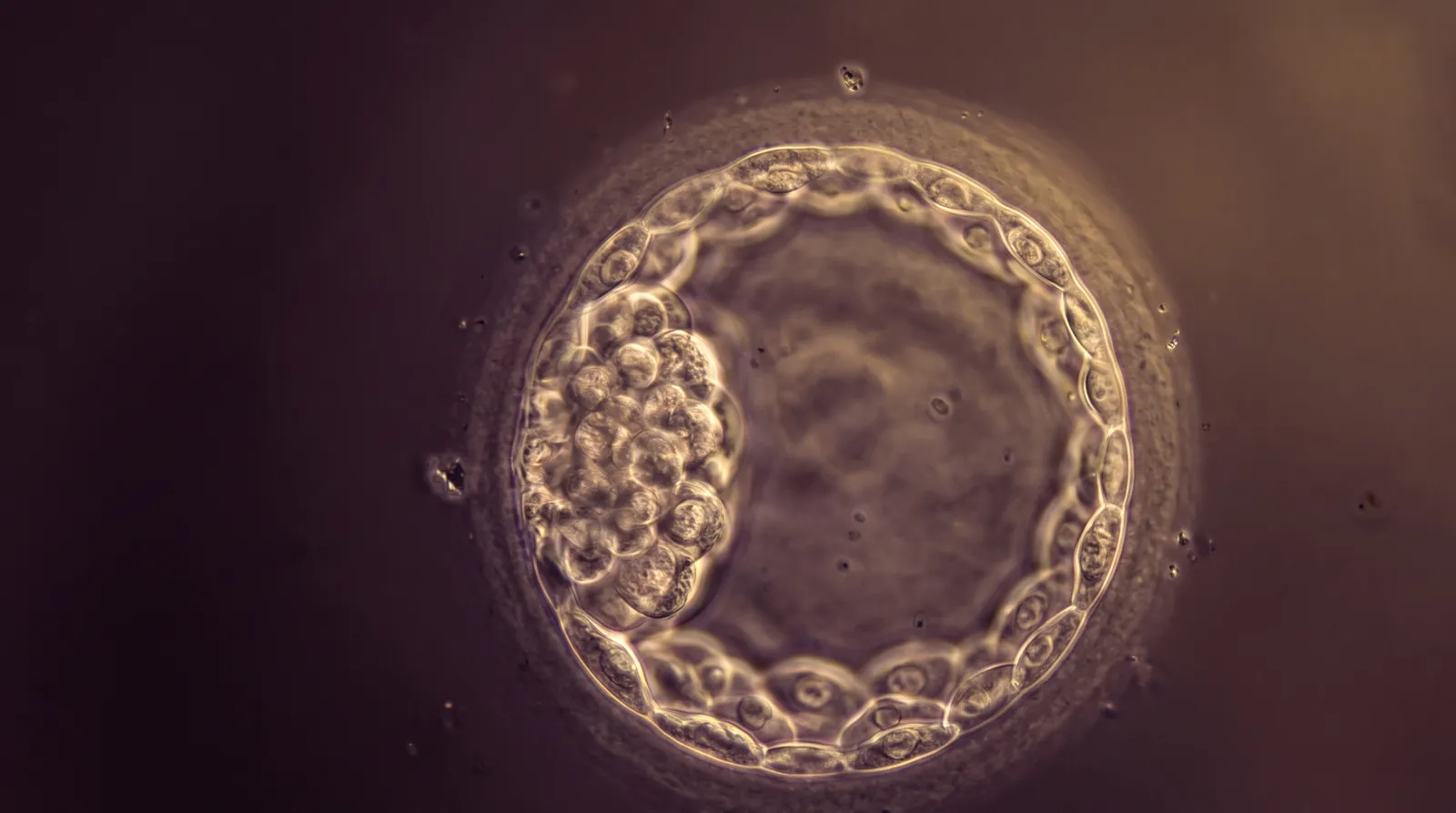
Short answer. Embryo donation in India to another couple is not possible under the ART Act. The Government of India has clarified that no provision for embryo donation exists under the Act, and section 29 prohibits the sale, transfer or use of embryos to any other party. Your frozen embryos can be kept for your own treatment, given to a registered research organisation with your consent, or allowed to perish.
Is embryo donation in India legal?
Not to another couple or woman. Section 29 of the ART Act prohibits the sale, transfer or use of gametes, zygotes and embryos to any party within or outside India. The only exception is the transfer of your own gametes and embryos for your own use, with permission from the National Board (Act s.29).
The Department of Health Research was asked this question directly: could a couple donate their embryos to another couple after their baby is born, without any money changing hands? The reply was that no such provision of embryo donation exists under the Act (Government of India, Ministry of Health and Family Welfare (Department of Health Research), File No. I.11019/42/2022-HR, November 2022, Q2). Asked about giving unused eggs or embryos to another couple or a family member, the Department pointed to section 27(5): unused oocytes are preserved for the same recipient, or given for research with written consent (same reply, Q3). The Rules say the same in plain words: unused gametes or embryos are kept for use on the same recipient and shall not be used for any other couple or woman (Rules r.13(1)(a)).
So the honest answer to “who can donate embryos in India” is: nobody, if you mean donating them to another family.
Many patients feel, for ethical, moral or religious reasons, that they cannot discard or throw away the embryos they have. Since embryos cannot be donated to another couple, the only option left is to give them for research. You can sign your consent at the lab where the embryos are stored, and they can then be given for research, for the future benefit of many other couples trying to achieve a pregnancy.
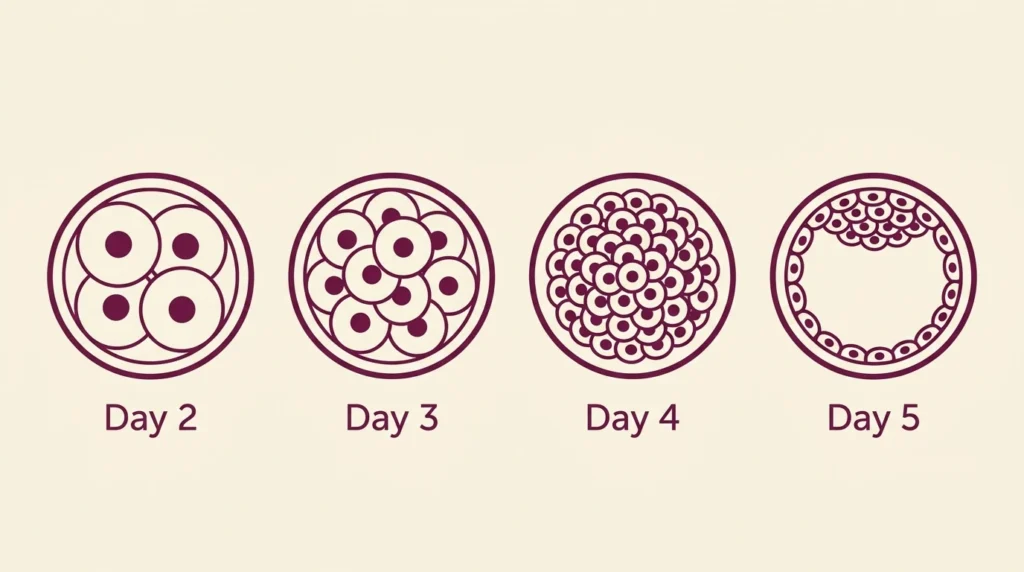
What can I do with my spare frozen embryos?
The Act leaves you three lawful paths.
| Option | What the Act says |
|---|---|
| Keep them for your own treatment | Stored embryos are for you. You may move your own embryos to another clinic with National Board permission (Act s.29; Rules r.19) |
| Give them to research | At the end of storage, embryos may be donated to a research organisation registered under the Act, with your consent (Act s.28(2)) |
| Allow them to perish | At the end of storage, embryos may be allowed to perish (Act s.28(2)) |
Storage is limited. An embryo may be stored for not more than ten years (Act s.28(2)). Before anything is frozen, the clinic must have your written instructions on what happens to the embryos if either of you dies or becomes incapable (Act s.22(2)).
Either of you may withdraw consent at any time before the embryos are transferred to the woman’s uterus (Act s.22(4)). Many couples find the decision about spare embryos harder than they expected. Take your time, talk it through together, and ask your clinic to explain each form before you sign.
If you plan to move your own frozen embryos, for example to a clinic in another city or country, our guide on own eggs and donor eggs under Rule 19 explains the forms and the permission you need.

Can embryos be given for research?
Yes, within strict limits. Embryos may go only to a research organisation registered under the Act, with the couple’s consent (Act s.28(2)). Embryos found after Pre implantation Genetic Diagnosis to carry a pre existing, heritable, life threatening or genetic disease may be donated to an approved research laboratory, with the approval of the couple or woman (Act s.25(2)).
Three things are never allowed:
- selling an embryo for research (Act s.33(1)(f));
- sending embryos to any country outside India for research (Act s.30(1));
- selling or trading in embryos in any form (Act s.33(1)(b)).
Can we bring donated embryos from abroad?
No. Importing human embryos or gametes, or helping anyone to import them, is an offence (Act s.33(1)(c)). This applies to embryos made abroad with your own eggs as well. Nothing can be brought into India. Our guide to egg donation law in India covers the wider picture.
What are the options if we hoped for a donor embryo?
Families usually ask about embryo donation because they need donor eggs, donor sperm or both. The lawful route in India is a screened gamete donor through a registered ART Bank (Act s.27(1)). An egg donor is supplied to one couple or woman only, and any unused donor eggs are kept for that same recipient (Act s.27(3), s.27(5)).
Which route suits you is a medical decision. Your doctor looks at both partners’ reports and explains what is possible for your case. Read how an Indian egg donor reaches a family, and the donor egg IVF steps, consents and insurance. If you are a clinic with frozen embryos and questions about your duties, see our page for clinics.
Book a private consultation. If you have spare frozen embryos, or you were hoping for a donor embryo, talk to us before you decide anything. Book a private consultation
Questions
Can I donate my embryos to another couple in India?
No. The Government of India has clarified that no provision of embryo donation exists under the ART Act, and s.29 prohibits transferring embryos to any other party.
Can I give my embryos to a family member?
No. The Act allows transfer only of your own embryos for your own use, with National Board permission (Act s.29).
How long can embryos be stored in India?
Not more than ten years. After that, they may be allowed to perish or donated to a registered research organisation with your consent (Act s.28(2)).
Can I buy donor embryos in India?
No. Selling or trading in human embryos is an offence under the Act (Act s.33(1)(b)).
Can donor embryos be imported into India?
No. Importing human embryos is an offence (Act s.33(1)(c)).
References
- Assisted Reproductive Technology (Regulation) Act, 2021 (Act No. 42 of 2021): sections 22(2), 22(4), 25(2), 27(1), 27(3), 27(5), 28(2), 29, 30(1), 33(1)(b),(c),(f).
- Assisted Reproductive Technology (Regulation) Rules, 2022 (G.S.R. 419(E), 7 June 2022): rule 13(1)(a).
- Assisted Reproductive Technology (Regulation) Amendment Rules, 2023 (G.S.R. 126(E), 24 Feb 2023): rule 19.
- Government of India, Ministry of Health and Family Welfare (Department of Health Research): File No. I.11019/42/2022-HR, November 2022, replies to Q2 and Q3.
This page explains the law as published. It is not legal advice.